PROS & CONS OF SOLAR
Understanding both sides helps determine whether
installing solar is a worthwhile investment.
The Pros and Cons of Solar Energy: Is It Worth Installing?
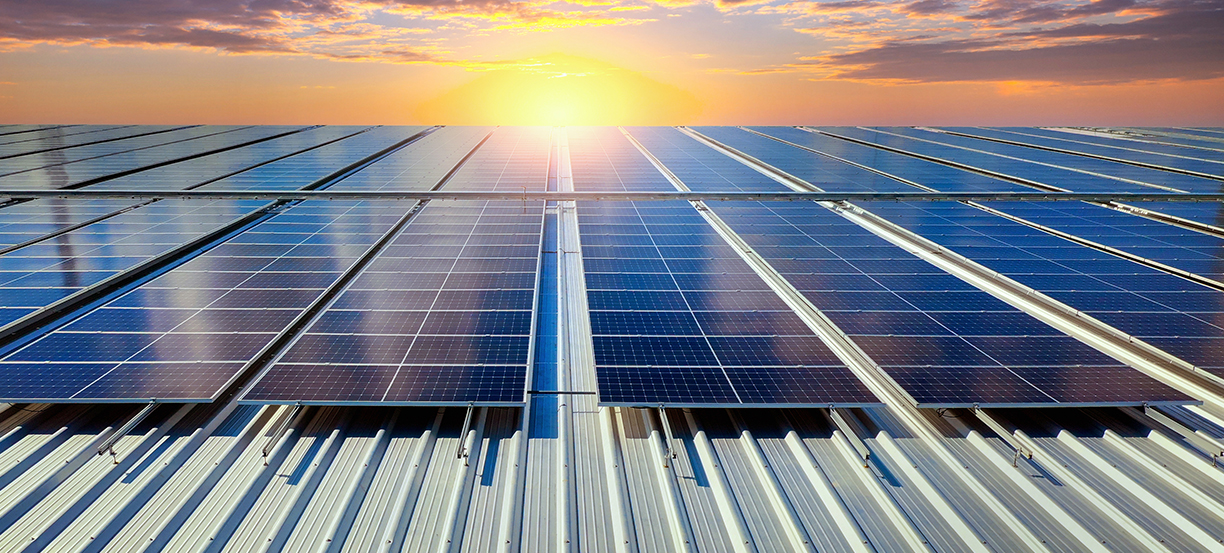
As energy costs rise and environmental concerns grow, solar energy has become an increasingly popular option for homeowners,businesses, and governments. Solar power uses sunlight to generate electricity through photovoltaic (PV) panels, offering a renewable alternative to fossil fuels. While solar energy has many benefits, it also comes with certain drawbacks. Understanding both sides helps determine whether installing solar is a worthwhile investment.
Pros of Solar Energy

Renewable and Sustainable Energy Source
Solar energy is abundant and renewable. Unlike fossil fuels, sunlight will not run out, making solar a long-term solution for energy generation. This sustainability helps reduce dependence on finite resources such as coal, oil, and natural gas.

Lower Electricity Bills
One of the biggest advantages of solar is reduced energy costs. Once panels are installed, sunlight is free. Many households
significantly lower their monthly electricity bills, and in some cases. generate excess power that can be sold back to the grid
through net metering programs.

Environmentally Friendly
Solar energy produces no greenhouse gas emissions during operation. By switching to solar, carbon footprints are reduced,
helping combat climate change and improve air quality. This environmental benefit is one of the strongest arguments in favor of
solar adoption.

Low Maintenance Costs
Solar systems have very few moving parts, which means less wear and tear. Most panels last 25-30 years and require minimal
maintenance beyond occasional cleaning and periodic inverter replacement.

Energy Independence
Installing solar reduces reliance on utility companies and protects against rising energy prices. For homeowners with battery
storage, solar can also provide backup power during outages, increasing energy security.

Increased Property Value
Homes with solar installations often sell faster and at higher prices, Buyers are increasingly attracted to energy-efficient homes
with lower operating costs.
Cons of Solar Energy

High Initial Installation Cost
The upfront cost of purchasing and installing solar panels can be significant, Although prices have dropped in recent years and
incentives are often available, the initial investment can still be a barrier for some households.

Weather and Sunlight Dependence
Solar energy production depends on sunlight. Cloudy days, seasonal changes, and geographic location can reduce efficiency.
While batteries can help store energy, they add to the overall cost.

Space Requirements
Solar panels require adequate roof or land space. Not all homes have suitable roof orientation, size, or structural capacity to
support a full solar system.

Energy Storage Can Be Expensive
Without battery storage, solar systems rely on the power grid when sunlight is unavailable. Batteries improve independence but
increase installation costs.
Final Result: Is Installing Solar Worth It?
When weighing the pros and cons, the long-term benefits of solar energy strongly outweigh the drawbacks. While the initial installation cost
can be high, financial incentives, declining panel prices, and long system lifespans make solar a smart investment over time. The ability to
lower electricity bills, reduce environmental impact, increase property value, and gain energy independence makes solar a compelling choice.
BASED ON THE COMBINED ADVANTAGES, INSTALLING SOLAR RESULTS IN LONG-TERM COST SAVINGS, CLEANER ENERGY USE,
AND GREATER ENERGY SECURITY—MAKING IT A PRACTICAL AND FORWARD-THINKING INVESTMENT FOR THE FUTURE.
Learn More About Energy & Solar
Stay up-to-date on Solar Energy, Technology, Electric rates, and more.

Company Name should look
for ones that are specific,
detailed, and highlight the
unique benefits of working with
the company.
Alex John Martin
Manager
Company Name should look
for ones that are specific,
detailed, and highlight the
unique benefits of working with
the company.
Alex John Martin
Manager
Company Name should look
for ones that are specific,
detailed, and highlight the
unique benefits of working with
the company.
Alex John Martin
Manager

Powering a Brighter Future with Clean Energy.


