
THE FUTURE OF SOLAR
In essence, the future of solar is about moving beyond simple rooftop panels to become a fundamental part of a smart, sustainable energy grid.
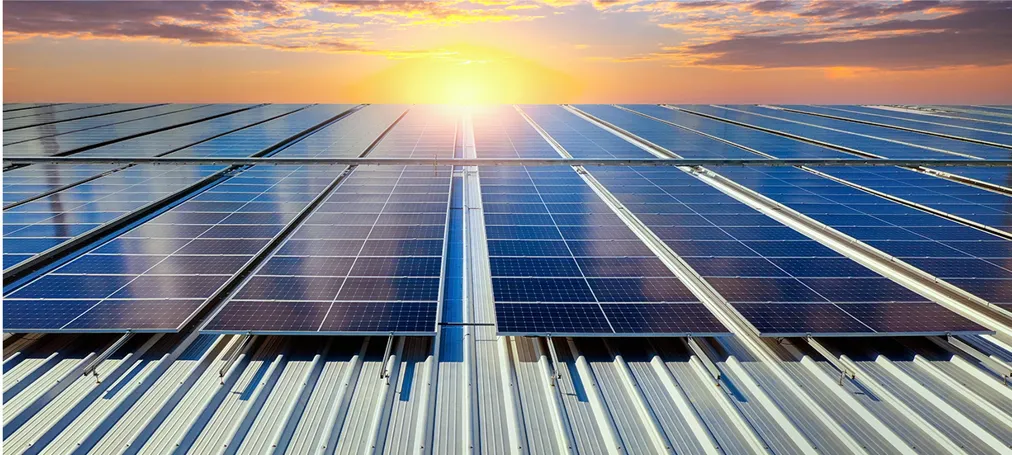
The Future of Solar: More Efficient and Cheaper Power
Solar energy is already a cornerstone of the global clean-energy transition — and the next decades promise even greater advances. As technological innovation accelerates and manufacturing scales up, photovoltaics (PV) are expected to become more efficient, more affordable, and deeply integrated into the world's energy infrastructure.

Efficiency: Redefining What Solar Can Do
Solar panels convert sunlight into electricity, and efficiency — the percentage of sunlight captured and turned into usable power — is one of the key metrics shaping future deployment.

Steady Gains in Commercial Tech
Today’s commercial silicon PV modules typically convert roughly 20–22% of sunlight into electricity, with some top products slightly higher. Incremental gains year over year have steadily improved energy yield and reduced the land and materials needed per watt installed.

Future Breakthroughs Beyond Silicon
Cutting-edge research suggests efficiency gains could be much larger than current panels:
- Scientists predict that emerging tandem cell architectures — which stack two or more light-absorbing layers — could push module efficiencies well beyond 35% by 2050. This includes perovskite-silicon tandems and other multi-junction designs.
- Experimental solar cells in labs already surpass 30% efficiency, with some designs targeting 40%+ in research settings.
Higher efficiency matters not just for more power, but for lower system costs: fewer panels are needed for the same output, which reduces installation, land, and maintenance costs.

Smarter Systems with AI
Artificial intelligence and machine learning are improving efficiency not just at the cell level but in real-world operations — optimizing panel orientation, predicting faults before they occur, and streamlining maintenance.

Price Trends: Falling Costs, Rising Adoption
Solar costs have fallen dramatically over the past decade — and that trend is expected to continue.

Historic Price Declines
Since 2010, the cost to produce solar electricity has plunged — making PV one of the cheapest sources of electricity in many parts of the world. Major factors in this decline include mass-production economies, improved efficiency, and streamlined supply chains.

Broader Impacts: Solar Everywhere
As solar becomes more efficient and cheaper, its role in energy systems is evolving:
- Residential to utility scale: High-efficiency panels lower homeowner and utility costs, making rooftop and large-scale solar more competitive.
- New surfaces generate power: Innovations like building-integrated photovoltaics (BIPV) and vehicle solar skins could transform everyday structures into energy producers.
- Energy storage synergy: Continued declines in battery prices make pairing solar with storage more affordable, enhancing reliability and grid flexibility.

What This Means for the Future
Solar energy is transitioning from a niche clean-energy option to a dominant global power source. In the coming decades:
- Efficiency gains will continue, driven by materials science, advanced cell designs, and manufacturing innovation.
- Prices for panels and systems will keep falling, broadening access and allowing solar to compete without subsidies in many markets.
- Integration with smart energy systems will unlock new applications and address intermittency challenges.
In short, solar’s future looks brighter and more affordable, helping power economies and reduce carbon emissions worldwide.
TESTIMONIALS
What Client Our Says About Us

Company Name should look
for ones that are specific,
detailed, and highlight the
unique benefits of working with
the company.
Alex John Martin
Manager
Company Name should look
for ones that are specific,
detailed, and highlight the
unique benefits of working with
the company.
Alex John Martin
Manager
Company Name should look
for ones that are specific,
detailed, and highlight the
unique benefits of working with
the company.
Alex John Martin
Manager
POPULAR QUESTIONS
Asked Questions ?
Got Questions? Explore our FAQs for answers on solar costs, installation, savings, and maintenance. Learn more today!
How much can I save with solar?
Savings vary based on energy usage, location, and incentives, but most homeowners see a significant reduction in bills.
What is the lifespan of solar panels?
Solar panels typically last 25–30 years with proper maintenance, maintaining high efficiency over time.
Do solar panels work during a power outage?
Standard systems shut down for safety, but with battery storage, you can keep essential appliances running.
What financing options are available?
We offer purchase, loan, lease, and PPA options to fit different budgets and financial goals.

Powering a Brighter Future with Clean Energy.


